
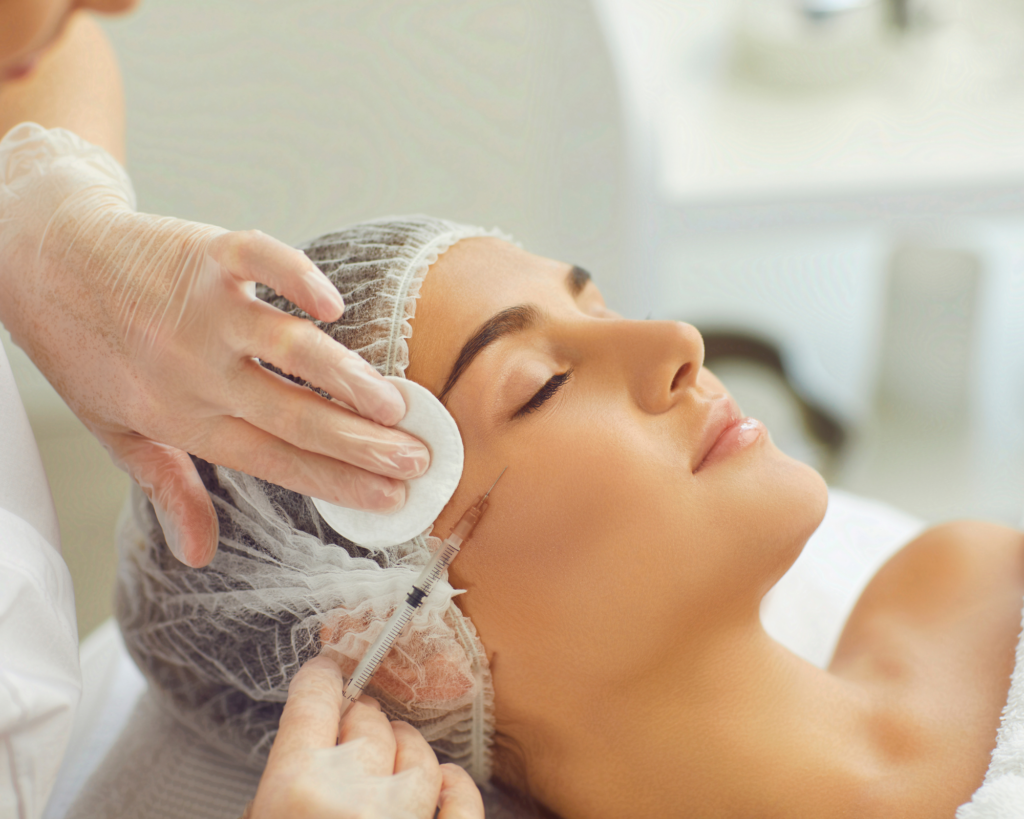
In the skincare industry, you’ll encounter all types of treatment providers with different levels of training, experience, and expertise. So, what is a medical aesthetician, and what distinguishes them from traditional estheticians? Join us to learn exactly what these providers do and why you should visit a qualified medical aesthetician for your next professional treatment!
What’s a medical aesthetician?
Sometimes called a medical, paramedical, or clinical esthetician, medical aestheticians are licensed skincare specialists who perform advanced skincare treatments under the supervision of a doctor, dermatologist, plastic surgeon, or other medical professional.
What do medical aestheticians do?
Non-invasive skincare treatments like chemical peels, microdermabrasion, facials, LED light therapy, and microneedling make up the bulk of most medical aestheticians’ practices. However, they may prep clients for laser resurfacing and injectables, perform skin tightening treatments, or assist in specialty services like acne management.
In some states, these esthetics specialists are not qualified to administer Botox or dermal fillers unless they’re also licensed nurses, PAs, or physicians.
Where can medical aestheticians work?
What a medical aesthetician does is highly dependent on where they work, including:
- Dermatology offices: Addressing skin concerns like acne and rosacea, and assisting with laser treatments and post-procedure skincare.
- Plastic surgery clinics: Provide pre- and post-op care.
- Medical spas: Perform laser treatments, facials, and microneedling.
- Specialty clinics: Provide specialized services for burn centers, oncology clinics, and scar revision specialists.
How long does it take to become a medical aesthetician?
Depending on the location, medical aestheticians may spend up to two years completing basic and advanced training programs before earning their qualification. Florida doesn’t offer a separate license for traditional estheticians and medical aestheticians.
However, highly skilled practitioners typically complete extensive training beyond cosmetology school to be able to perform advanced treatments to their clients.
Related: Laser Skin Resurfacing: What To Expect Before and After Treatment
How to become a medical aesthetician
With a solid understanding of what a medical aesthetician is, let’s explore what it takes to become an esthetics specialist.
1. Meet basic requirements
In most states, aspiring skincare professionals must be at least 18 years old and hold a high school diploma or a GED to qualify for admission to a medical aesthetics training program.
2. Complete an accredited program

Every medical aesthetician must first complete an accredited training program that lays the foundation for their future career. These courses must meet the state’s training requirements.
Ideally, your program should also include a comprehensive curriculum that covers topics like marketing and business management in addition to practical skills and theoretical knowledge.
3. Get licensed
After completing rigorous training, hopeful aestheticians must complete and pass a written and practical state board licensing exam. Then, they’re eligible to apply for an esthetics license through the state cosmetology board.
4. Pursue advanced medical training
Once a student has successfully earned the title of licensed esthetician, they can begin working toward a more specialized niche. In some states, practitioners can become medical aestheticians through on-the-job training at a med spa or dermatology clinic.
In other areas, this designation requires a separate training program in advanced medical aesthetics. These can range from weekend intensives to six-month certification programs.
5. Gain clinical experience
Of course, a thriving career isn’t built on certifications alone. Medical aestheticians need extensive hands-on experience to master the art of safe, comfortable, and effective facial treatments. This is the time to discover exactly how the skin responds to lasers, microneedling devices, and other technology in the real world not found in textbooks.
6. Consider specialty certifications
Even certified medical aestheticians need specialty credentials to perform certain treatments. For example, advancing as a laser technician, skincare specialist, or chemical peel expert can lead to more career opportunities and higher salary potential in beauty, health and wellness.
Related: Our Top Anti-Aging Skincare Treatments
Common treatments medical aestheticians perform
The scope of practice for a medical aesthetician extends far beyond basic brow waxes. Here are some of the most lucrative treatments these providers perform that you won’t find at a basic day spa or salon:
Skincare and facial treatments
While classic spa facials often prioritize pampering over real transformation, medical aestheticians focus on corrective, results-driven treatments, including:
- Microneedling
- Chemical peels
- Oxygen facials
- Skinwave treatments
- Acne facials
You may also find they place more emphasis on great everyday skincare to complement your occasional facial treatments.
Laser resurfacing
Laser resurfacing is one of the most effective professional services for reversing sun damage, softening fine lines, and erasing acne scars. Depending on the location, a medical aesthetician may perform or assist with specialized laser treatments like Helix, VirtueRF, and CoolPeel.
Cosmetic injections
Botox, dermal fillers, and biostimulating injections can turn back the clock on your skin. Whether you’re freezing subtle muscle movements or generating new collagen cells, you won’t achieve your goal at a basic day spa. Some medical aestheticians may perform these treatments, while others provide support to nurses and physicians during administration.
Microneedling
Microneedling has gained significant traction in the world of medicine, as doctors and dermatologists have discovered its collagen-boosting effects. Combine your treatment with radiofrequency or platelet-rich plasma for even more transformative results.
Lymphatic massage
Stagnant lymphatic fluid is often to blame for water retention, swelling, and that puffy appearance that can occur after facial treatments and surgeries. A qualified medical aesthetician can gently stimulate healthy lymph movement to eliminate waste from your system and encourage a seamless healing process.
Related: What Is Lymphatic Massage? Benefits & Side Effects
Discover renewed skin health with The Wellness Club’s medical aestheticians!
Ready to see what a medical aesthetician can do for your skin? Book a consultation with The Wellness Club today!