
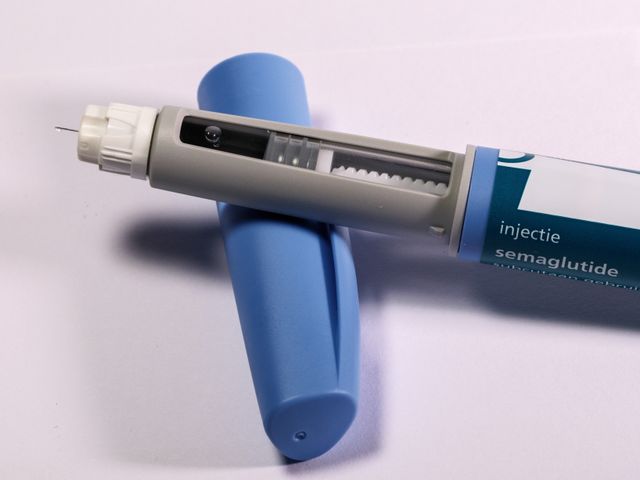
Semaglutide injection therapy has transformed medical weight loss, helping many patients reach their goals. While the side effects of semaglutide can be uncomfortable, they often dissipate as your body adjusts to the medication. Today, we’re exploring the side effects some people experience with semaglutide and when to reach out to your provider for support.
Common Semaglutide Injection Side Effects
Gastrointestinal distress is the most widely reported side effect of semaglutide. It tends to be worse when starting treatment and increasing your dosage. These symptoms may include:
- Nausea
- Vomiting
- Diarrhea
- Indigestion
Some people also experience injection site reactions, such as redness, itching, and swelling, which should improve within a few hours of the injection.
Less Common Side Effects and Low-Fat Diet Tips
Additional semaglutide side effects are less universal. For example, some find that certain foods taste different or less appealing, while others suffer from headaches and fatigue. It’s important to remember that these symptoms may also be caused by inadequate food or water intake.
Small, frequent meals and a focus on low-fat foods can help ease GI symptoms and prevent some of the disruptive side effects of semaglutide.
Serious Side Effects to Watch For
In rare cases, it’s possible to experience more severe side effects that may indicate a serious underlying problem.
Allergic Reaction and Difficulty Breathing
An allergic reaction to semaglutide is uncommon, but possible. If you experience hives, difficulty breathing, or swelling of the face, lips, tongue, or throat, it’s essential to seek emergency medical help immediately.
Severe Abdominal and Stomach Pain
Persistent abdominal or stomach pain that radiates to the back can be a warning sign of pancreatitis, a rare but serious condition. This side effect of semaglutide may appear alongside nausea and vomiting.
Low Blood Sugar and Blood Sugar Levels
Semaglutide alone doesn’t usually affect blood sugar levels, but this can change when taken along with other diabetes medications. Patients using these medications together may have a higher risk of hypoglycemia. Symptoms of low blood sugar include:
- Shaking
- Sweating
- Dizziness
- Hunger
- Confusion
- Weakness
- Headache
- High heart rate
Blurred Vision and Diabetic Retinopathy Risk
Any changes in vision, including blurred vision, should be reported to your healthcare provider right away. Patients with type 2 diabetes and existing diabetic retinopathy may experience worsening symptoms with rapid changes in blood sugar control, requiring close monitoring when starting semaglutide or increasing dosage.
Kidney Disease and Dehydration Risk
Vomiting and diarrhea can cause severe dehydration, which may lead to acute kidney problems if left unaddressed. People with existing kidney disease are particularly susceptible to complications from dehydration, so adequate water intake is essential. Reduced urination, swelling, and unusual fatigue are a few warning signs to be aware of.
Thyroid Cancer Warning and Family History Risk
Patients with a personal or family history of thyroid cancer should not take semaglutide, as some studies have found higher instances of medullary thyroid carcinoma (MTC) and Multiple Endocrine Neoplasia syndrome type 2 (MEN 2) in animals exposed to the peptide.
Compounded Semaglutide vs. Wegovy Pill and Injection Options
Thanks to its lower price and widespread availability, compounded semaglutide has become a popular option for folks seeking medical weight loss solutions. The most pronounced differences between these versions of semaglutide and the FDA-approved name-brand medications are the packaging and dosing instructions.
Many times, compounded semaglutide formulas are fortified with B12 to reduce side effects like nausea and vomiting. However, the active ingredients remain the same in both. The daily Wegovy pill may cause more gastrointestinal discomfort since it’s processed through the digestive system.
When discussing these options with your provider, consider the following questions:
- Which formulation may best meet my needs and lifestyle?
- How do I measure the proper dosage if my medication is in a vial, syringe, or pen?
- How and when do I adjust my dosage?
- What side effects should I expect?
- What side effects should prompt me to stop the medication or seek medical care?
Medical Weight Loss Monitoring at The Wellness Club
Before starting semaglutide with The Wellness Club, you’ll either submit recent lab work or perform testing through Quest Diagnostics to determine if you’re a good candidate for medical weight loss.
Your provider will then start you on a low dose of semaglutide and gradually increase your dosage based on your side effects and response to treatment. Initially, you can expect to meet with your practitioner every two weeks. If you prefer in-office injections, you’ll come in once a week to have a professional administer your dose.
When to Call Your Provider
Any ongoing side effects that don’t improve over time should be discussed with your provider. However, the following call for more immediate care:
- Persistent vomiting or diarrhea
- Any sign of allergic reaction
- Severe or worsening abdominal pain
- Vision changes
Explore Your Medical Weight Loss Options at The Wellness Club
Wondering if semaglutide is right for you? The providers at The Wellness Club can help you determine whether you’re a good candidate for treatment and which formulation may be best for your needs. Book a consultation today to learn more!