
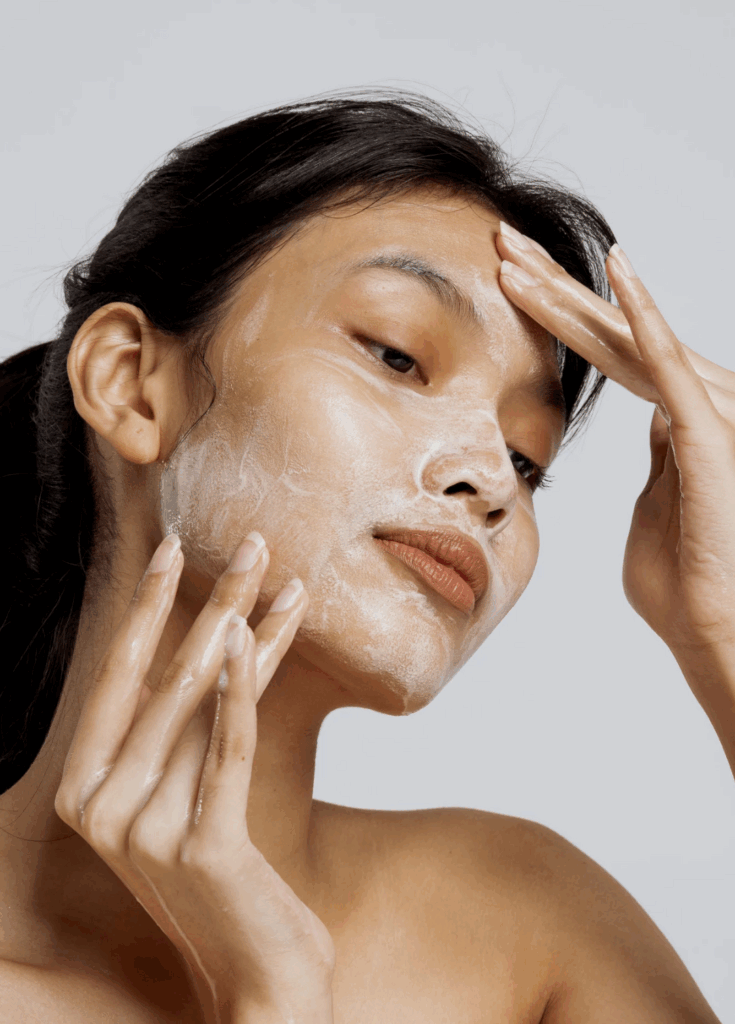
If you’re looking to refine your skin texture and brighten your complexion, chemical exfoliation could be the ticket. However, it may not be powerful enough to transform more advanced skin concerns like stubborn discoloration and fine lines. In this guide, we’ll explore why chemical exfoliation is an important part of any anti-aging skincare routine, and the best alternatives to consider when these at-home acids aren’t enough to address your concerns.
What is chemical exfoliation?
Chemical exfoliation uses mild acids to revitalize skin. Here’s what you need to know:
How does chemical exfoliation work?
Chemical exfoliants break down the bonds between dead and living skin cells, helping your body slough off old layers and generate new ones. Unlike harsh physical scrubs that can damage your skin, acids tend to be gentle on the face.
What types of chemical exfoliation are there?
Whether found in an exfoliating cleanser, toner, serum, or mask, there are many different chemical exfoliants that cater to various skin types and concerns:
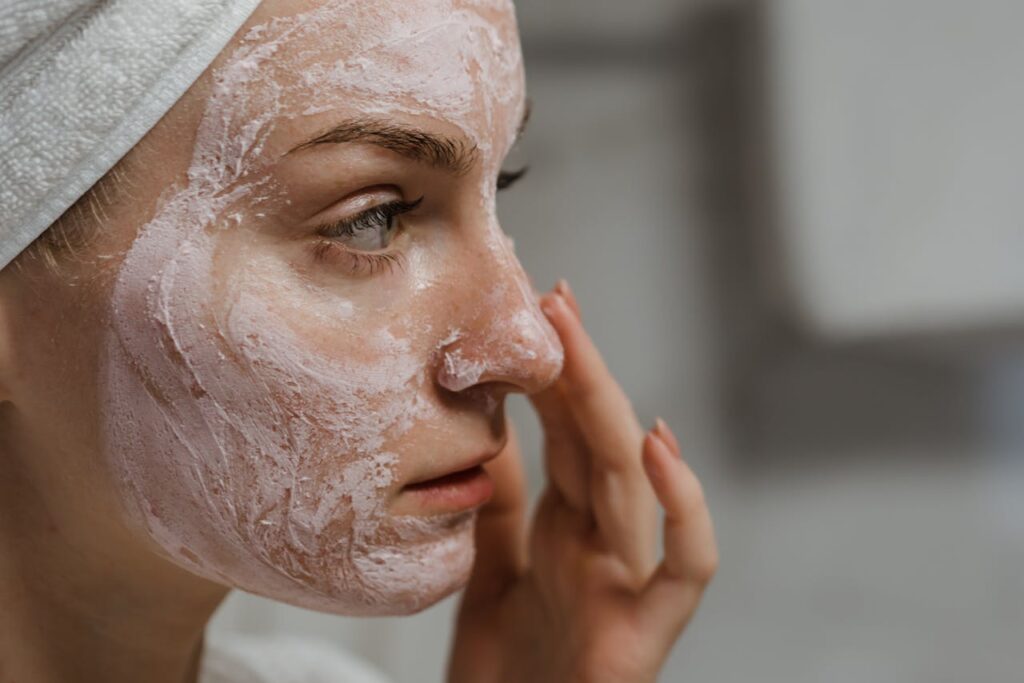
- Alpha-hydroxy acid (AHA): Glycolic, lactic, and mandelic acids improve dryness, dullness, and fine lines in dry, sun-damaged skin.
- Beta-hydroxy acid (BHA): Salicylic acid penetrates deep into the pores to dissolve sebum and impurities. Ideal for oily, acne-prone skin.
- Polyhydroxy acid (PHA): Gluconolactone and lactobionic acid are gentle on sensitive skin and contain humectant properties to attract moisture.
- Enzyme exfoliants: The mildest chemical exfoliants. Derived from papaya, pineapple, pumpkin, and other natural sources.
Can you use chemical exfoliants at home?
Yes! In fact, regular chemical exfoliation should be part of your regular skincare routine. Start by using a mild acid in low concentrations, such as AHAs or BHAs, one or two nights per week. Avoid using them with other active ingredients like retinol, vitamin C, and PanOxyl face wash.
You’ll also want to alternate days using acids and other products, such as azelaic acid. Be sure to wear sunscreen during the day, no matter how you incorporate exfoliation into your routine.
Related: Is Hyaluronic Acid Good for Acne?
Benefits of chemical exfoliation
Chemical exfoliation is an essential component of any anti-aging skincare system. Here are some of the best reasons to embrace these acids:
Smoother skin texture
As you eliminate dead skin cells from your face, you’ll notice that rough patches soften, flakiness subsides, and skin feels smoother to the touch. Many find that makeup applies more evenly, sitting atop the skin rather than settling into fine lines and enlarged pores.
Look for a nourishing liquid or lotion, such as Neo Firm Neck and Décolleté Cream, to tighten skin without the harsh side effects.
More even skin tone
Sun damage, melasma, and post-inflammatory hyperpigmentation from acne can all leave you with dark spots and an uneven skin tone. Chemical exfoliation removes the outermost layer of discoloration and encourages faster cell turnover rates, gradually fading these spots over time. With a consistent exfoliating routine, you should notice dark spots vanishing and a dull complexion becoming more radiant.
Reduces acne
Struggling with persistent acne? A BHA like salicylic acid addresses multiple causes of blackheads, whiteheads, and breakouts. This solution actually dissolves excess oil in your pores to loosen trapped debris and eliminate congestion. It even calms inflammation, reducing the risk of lasting redness and discoloration.
Stimulates collagen production
Glycolic acid, TCA, and certain clinical-grade chemical peels may also stimulate collagen over time. The secret here is high strength, low molecular weight, and a balanced skincare routine to prevent barrier damage.
Related: AHA vs BHA: Differences, Benefits, and Uses
Is chemical exfoliation the same as a chemical peel?
While chemical exfoliation and chemical peels may utilize some of the same acids, these are two different practices that yield varying results. Here’s where they differ:
Intensity and depth
Chemical exfoliants are low-strength topical products made for at-home use. Most work exclusively on the most superficial layers of skin, cause minimal peeling, and require zero downtime.
You’ll find many different chemical peels on the market, ranging from superficial to deep. They consist of higher concentrations of chemical blends and must be used by trained professionals to avoid adverse reactions. The deeper the peel, the more time you’ll need to heal.
Application and frequency
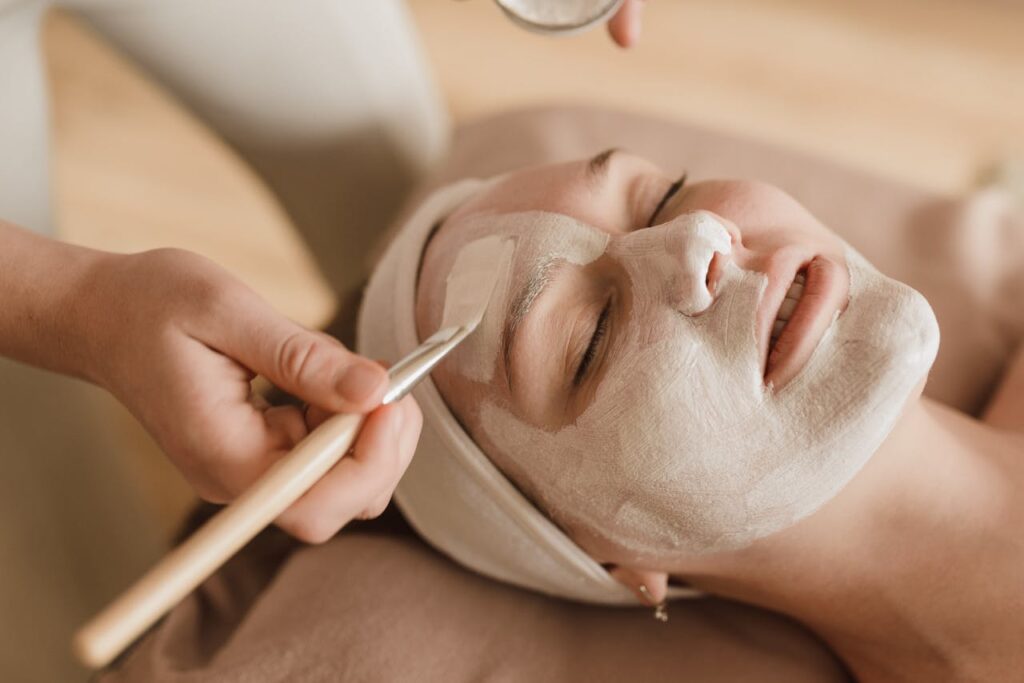
It’s usually safe to use at-home chemical exfoliation products one to three times a week, depending on the strength and specific formulation. You don’t need any special training, but it’s important to use it strategically as part of your skincare routine.
Chemical exfoliants can increase photosensitivity, so remember to wear sunscreen and alternate these acids with other actives to avoid over-exfoliation. Although there are some superficial DIY chemical peels available for home use, most are reserved for professional applications.
For the best results, schedule a peel at your favorite med spa every four to eight weeks, allowing your skin time to recover and begin building collagen before your next session. Your esthetician will likely have you follow certain skin prep and aftercare regimens to avoid adverse side effects.
Purpose and results
Traditional chemical exfoliation is ideal for preventive and maintenance skincare. A regular routine is great for brightening dull skin, managing mild acne, refining skin texture, and supporting long-term collagen production. However, it doesn’t usually offer major corrective benefits for folks with advanced skincare concerns.
Chemical peel facials can have a much more dramatic effect on your skin than basic exfoliation. They can improve stubborn hyperpigmentation, soften wrinkles, and fade scarring, improving more significant textural issues and accelerating collagen remodeling.
Related: Your Guide to Chemical Peel Aftercare
Rejuvenate and support your skin health at The Wellness Club!
While chemical exfoliation is a great addition to your skincare routine, it may not be enough to correct advanced textural concerns. If you need something more robust than a facial scrub, book a consultation at The Wellness Club to find the right chemical peel for your skin!